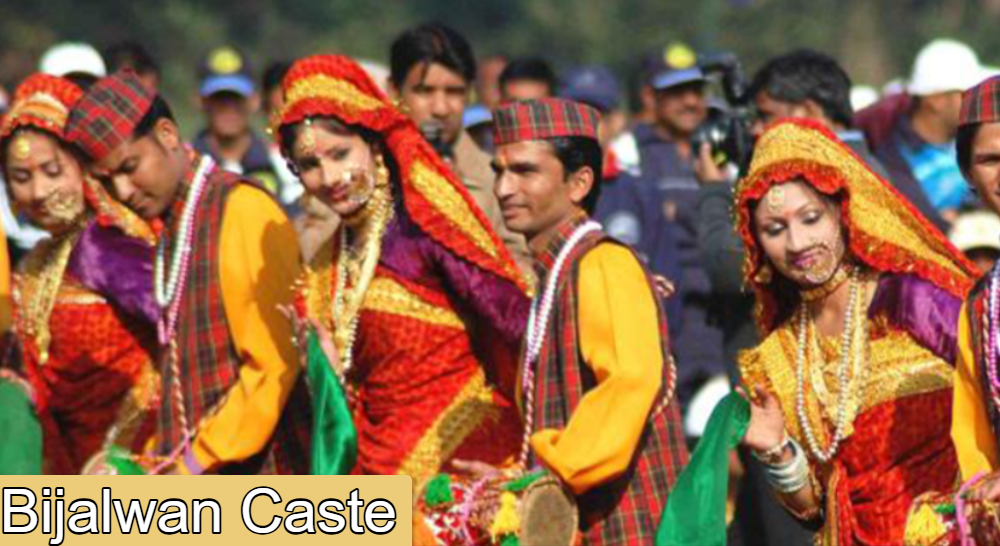
They are also known as the Garhwali Brahmins may also referred to as Bijalwans. They reside in the north Indian states of Uttarakhand and adhere to their traditions to express their culture and identity. The caste’s early members were preachers and priests who held the highest status. Their ancient spiritual practices and special devotion to Goddess Surkunda Mata makes them a highly unified and well-defined community.
The story of Bijalwans
The legend goes that an elderly man was a father to two children, whose name are Saju as well as Biju respectively. Saju was the older son, whereas Biju was the younger. One day the old man walked to King’s Court and asked the King to give a work to the sons of his. Saju received the position as an executioner, and Gaju was offered the position as a cook. The later generation of Saju were referred to by the name of Sajwan (rajputs) while Biju was referred to for bijwan which was part of the Brahmin caste.
Is Bijalwan caste general or obc ?
According to various reports of the government as well as the Census, Bijalwan surname belongs to the general category of caste. A lot of people belonging to this caste are classified as general candidates and enjoy the right to be recognized in society. In Uttarakhand, Brahmins are mainly engaged in activities related to rituals of worship and religious celebrations. They also have settlements in the areas in Kedarnath along with ManasKhand.
Are Bijalwans vegetarians or non-vegetarians?
The most fascinating aspects of the Pahari Brahmin community of Uttarakhand is their non-vegetarian way of life. Their settlings in the Himalayan regions have a profound impact on their food choices and lifestyle. Since members of the caste are involved in rituals like sacrifices of animals and rituals, they naturally turn into meat eaters due to religious convictions.
Contrary to the traditional Brahmans in north India however, the Bijalwan Brahmin people in the community typically offer animal sacrifices in the gods Kuldevi or Devta. They could cook or give raw meat to the gods.
The ancient temples are an important element in diverse religious celebrations. The shakti adherents aren’t Vaishnava adherents and, therefore, aren’t vegetarians. In the past, members of the community included goats, fish and buffaloes in their rituals of sacrifice. They believe it is an excellent sign of good luck to perform animal sacrifices in temples. The motive behind the ritual is to ensure the balance of the natural world and to help make the wishes of their followers come true.
Garhwal Brahmin community in Uttarakhand initially lived on mutton, birds, and fish which are mostly cooked without onions and garlic. It is among the most mysterious aspects of the community, but it is very fascinating to study.
The final words
It is believed that the Bijalwan casting has been evolving and is currently evolving as the other Varnas that are part of the Hindu religion. In the past, the Brahmin community has maintained their culture. The current generation is trying to succeed in the areas of trade, education and medical treatments. The social and historical significance of this particular caste within the state of Uttarakhand is unmatched. Their enormous contributions to culture have always been instrumental in the long-term survival of Indian Hindu culture in the hills.
The diverse caste members are distinct and reflect their unique ethnicity. They each have their own identity that gives their unique characteristics and their unique influences that last forever.